
DECARBONIZE

Our commitment to invent, deploy, and service the technology to help decarbonize and electrify the world.

Leading Goals

Improve the trajectory of carbon intensity for near-term impact

Innovate toward our 2050 Scope 3 net zero ambition for use of sold products

DECARBONIZE

decarbonize

Progress towards our leading goals and metrics

Our leading goals and metrics provide focus to our strategy, directing our efforts to where it matters most. Each goal is designed to drive progress across the whole organization and enable more transparent reporting. Find out about the progress we made towards our leading goals in 2025.
  • Goal 1

    Improve the trajectory of carbon intensity for near-term impact

    2025 Performance
    ~31%below
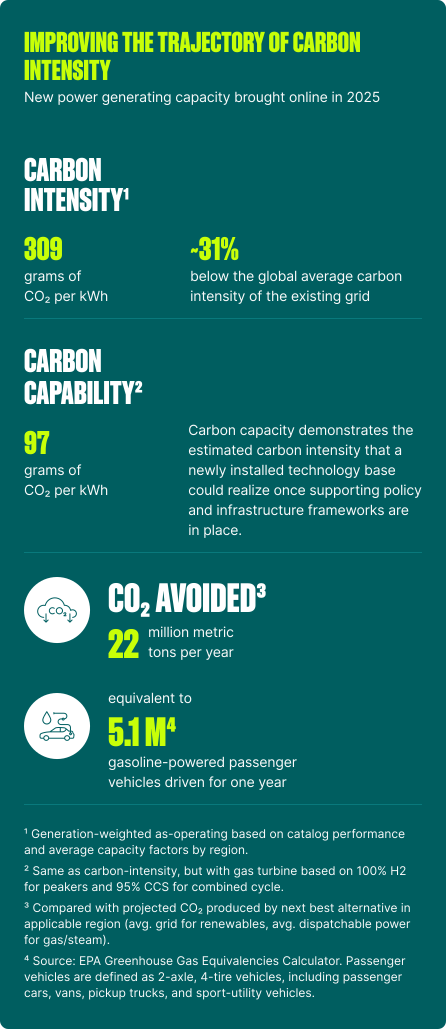
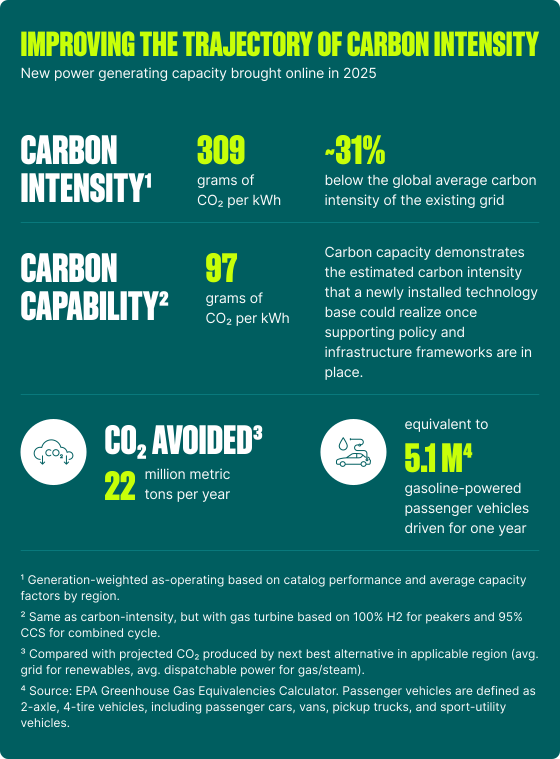
    New power generating capacity of our equipment brought online is ~31% below the global average carbon intensity of the existing grid.
  • Goal 2

    Innovate toward our 2050 Scope 3 net zero ambition for use of sold products

    Advanced breakthrough innovations that invest in long-term decarbonization

    • Small modular nuclear reactors
    • Carbon Capture and Storage (CCS)
    • Direct Air Capture (DAC)
    • Ammonia as a fuel
    • Hydrogen gas turbine capability

Goal 1

Improve the trajectory of carbon intensity for near-term impact

We continue to track three metrics that we believe provide helpful guides to near-term progress year to year, in addition to our long-term decarbonization goals:

  • The carbon intensity of the new power generating capacity we bring online, calculated as grams of CO₂ emissions per kilowatt hour.

  • The capability of our technology to reduce emissions further in the future.

  • The potential of our new generation to avoid carbon emissions, compared to the most likely alternative in that region.

See More Details
content 1 imagecontent 1 image

OUR 2025 PROGRESS
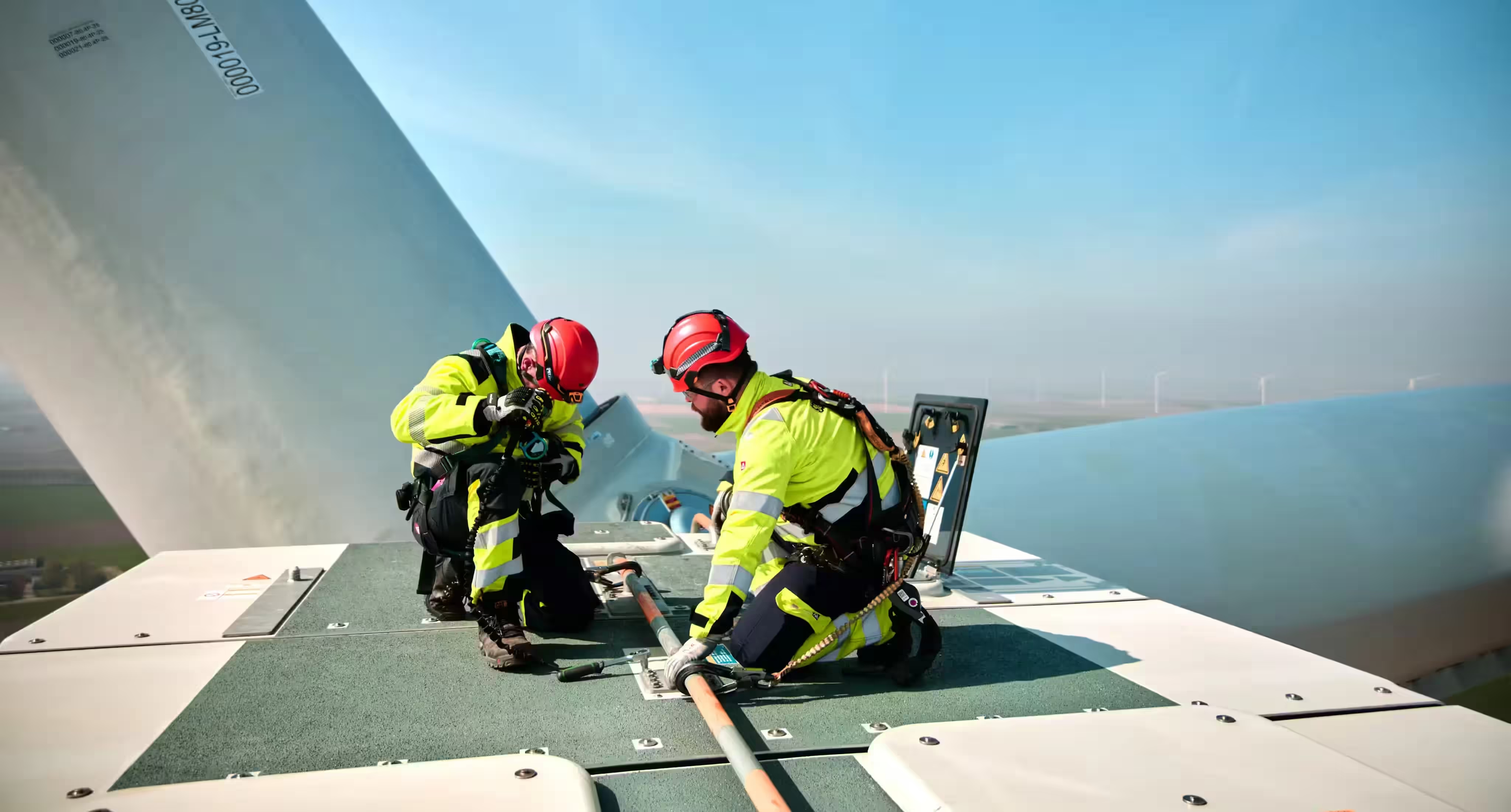
We brought 26 GW of new power generating capacity online in 2025. The carbon intensity brought online decreased ~16% year-over-year, and remained ~31% below the global average carbon intensity of the existing grid. This drop in the carbon intensity of new generating capacity brought online was driven by fewer gas plants becoming operational in 2025 vs. 2024, and greater wind capacity coming online than the previous year.

Goal 2

Innovate toward our 2050 Scope 3 net zero ambition for use of sold products

GE Vernova is focused on innovating technologies from concept to reality that have the potential to help decarbonize power production over time.

The technologies we are investing in are:

  • Small modular nuclear reactors
  • Carbon Capture and Storage (ccs)
  • Direct Air Capture (DAC)
  • Ammonia as a fuel
  • Hydrogen gas turbine capability

OUR 2025 PROGRESS
In 2025, we have been advancing concepts to reality through breakthrough technologies for long-term decarbonization. Find out more about the technologies we are investing in and 2025 progress here.

Our estimated lifetime net CO₂e emissions from use of sold products in 2025 are 456 MMT, driven higher versus 2024 due to a higher concentration of combined-cycle plants which come with higher operating hours, especially in developing and emerging economies.

Lifetime CO₂ emissions for sold products

40%

REDUCTION FROM 2019 BASELINE

Decarbonize Image banner

Our roadmap to address emissions for the long term: transforming concepts to reality today

Our Foundation: Lower-Carbon Energy

GE Vernova’s approach to addressing Scope 3 emissions from the use of sold products begins with our foundation of providing lower-carbon power generation and renewable energy to grow access to the reliable, affordable, and sustainable electricity the world needs, including:

Coal to gas switching with record-breaking combined cycle plant efficiencies

Onshore wind growth and improved capacity factors

Hydro and Nuclear build and repowering

Advanced transmission and distribution technologies and software to enable the connection of renewable sources

Exiting the new coal business

2020-2030: Concept to reality

This decade, we are prioritizing investments in the five breakthrough technologies depicted below. These investments are intended to test, validate, and advance the industry applications and long-term carbon reduction potential of these technologies, helping create a more sustainable electric power system and supporting our net zero ambition. We are moving beyond early-stage conceptual design and are transitioning to practical application through active projects and operational test facilities. Our objective is to scale and commercialize these pathways over time.

BWRX-300 SMALL MODULAR REACTOR (SMR)

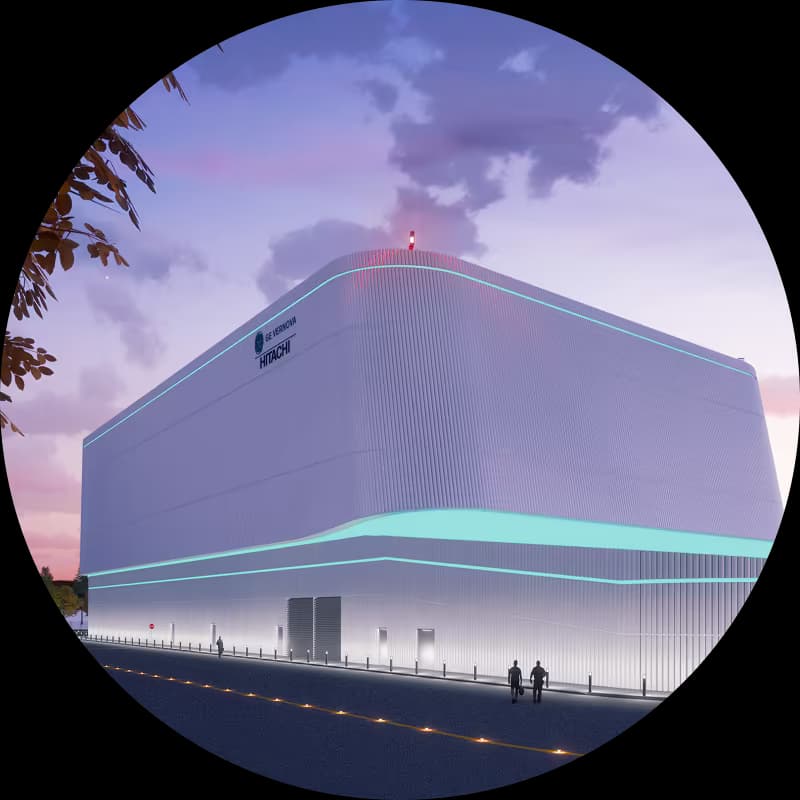
Ontario BWRX-300 Small Modular Reactor

2025 PROGRESS

GE Vernova Hitachi’s BWRX-300 SMR technology is currently being constructed in Clarington, Ontario – and will be the first SMR in the Western world.

CARBON CAPTURE AND STORAGE (CCS)

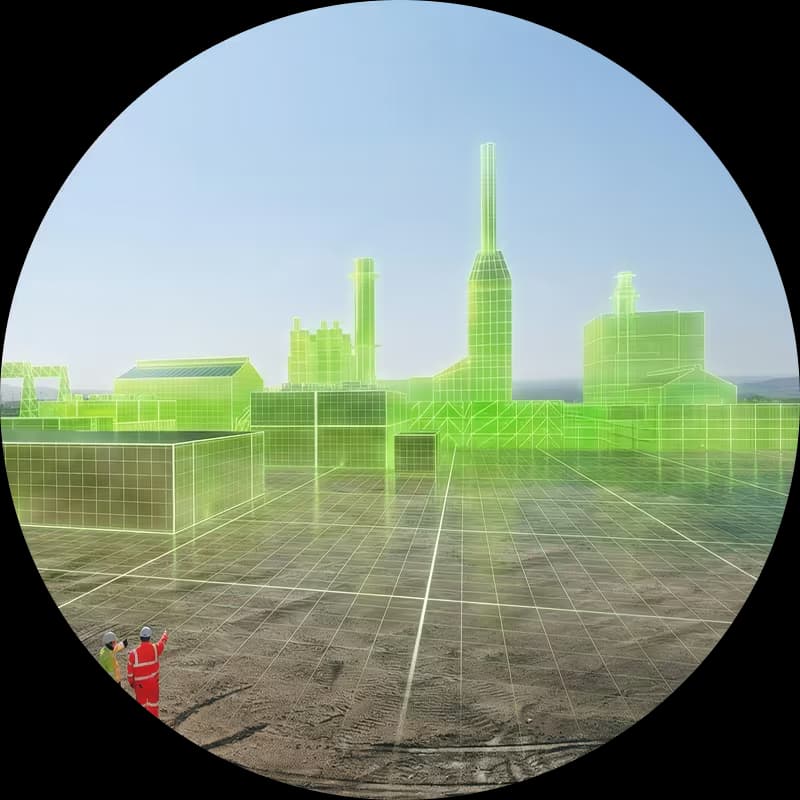
NZT Power gas power and carbon capture project

2025 PROGRESS

Construction for the world’s first commercial-scale gas power plant equipped with carbon capture and storage began at NZT Power in the U.K.

DIRECT AIR CAPTURE (DAC)

Direct Air Capture pilot system

2025 PROGRESS

Our DAC pilot system now operates across a wide range of conditions, capturing tons of emissions from ambient air each year.

AMMONIA AS A GAS TURBINE FUEL

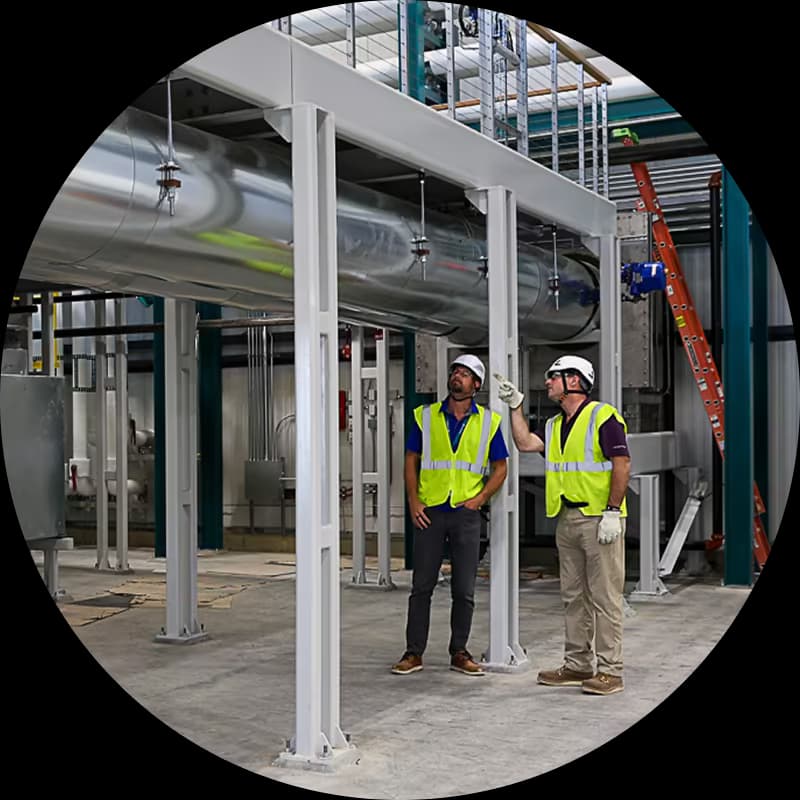
Large-scale combustion test facility

2025 PROGRESS

GE Vernova and IHI completed a new Large-scale Combustion Test (LCT) facility, engineered to test advanced combustion systems at GE Vernova’s F-class gas turbine operating conditions.

HYDROGEN POWERED GAS TURBINES

Hydrogen DLN combustor

2025 PROGRESS

Our 100% hydrogen Dry Low Nox (DLN) combustor technology was validated in our combustion test lab in full-scale conditions, a major step towards the decarbonization of our B- and E-class turbines with higher efficiency and lower emissions.

2025 PROGRESS

GE Vernova Hitachi’s BWRX-300 SMR technology is currently being constructed in Clarington, Ontario – and will be the first SMR in the Western world.

Construction for the world’s first commercial-scale gas power plant equipped with carbon capture and storage began at NZT Power in the U.K.

Our DAC pilot system now operates across a wide range of conditions, capturing tons of emissions from ambient air each year.

GE Vernova and IHI completed a new Large-scale Combustion Test (LCT) facility, engineered to test advanced combustion systems at GE Vernova’s F-class gas turbine operating conditions.

Our 100% hydrogen Dry Low Nox (DLN) combustor technology was validated in our combustion test lab in full-scale conditions, a major step towards the decarbonization of our B- and E-class turbines with higher efficiency and lower emissions.

Building Pathways for 2030-2050

Looking ahead to the next decade, GE Vernova is working to commercialize these breakthrough technologies and advance viable pathways to scale them. By working with the private and public sectors, we aim to facilitate the conditions needed to progress the most promising solutions into real-world deployment and broader market adoption, helping address long-term decarbonization.

Accelerating Breakthrough Innovations

GE Vernova has one of the most important roles to play in delivering the technology the world needs to make progress today to reduce greenhouse gas emissions while simultaneously innovating breakthrough technologies to meet the world’s energy demands. GE Vernovaʼs Accelerators work with our businesses to enable the next generation of breakthrough technologies and support our customers with solutions to enable electrification and decarbonization.

Advanced Research

Advanced Research is GE Vernova’s innovation powerhouse, where research and development meets strategy creation, partnership building, and engineering genius, with the pioneering spirit to help enable a lower-carbon future.

Financial Services

GE Vernova's Financial Services business supports our segments and their customers with innovative solutions for the development and financing of projects that enable energy generation and distribution.

Consulting Services

Our Consulting Services business is solving the world’s toughest technical and economic problems, enabling technology integration and serving a global client base with a strong local presence, to accelerate a new era of energy.